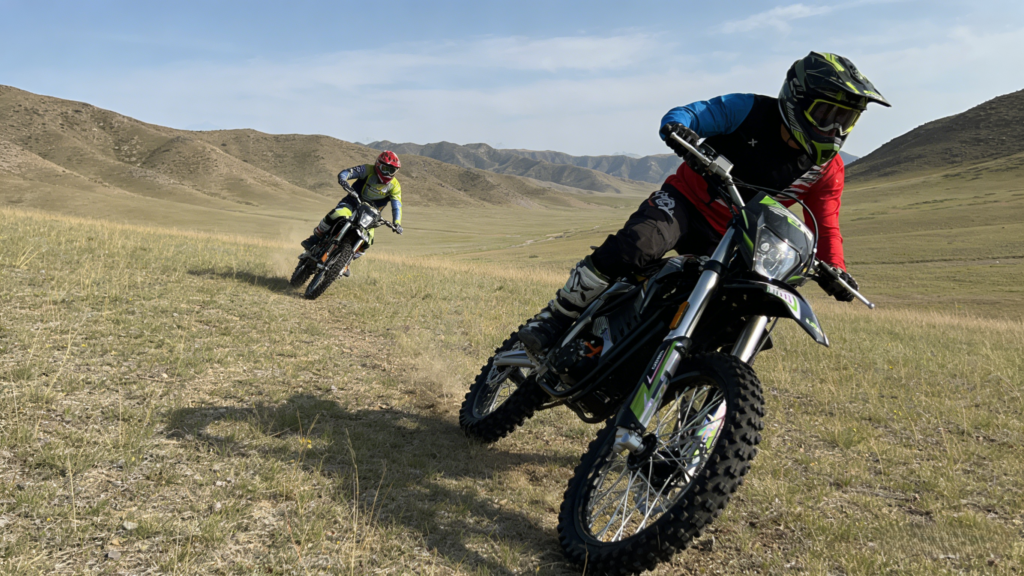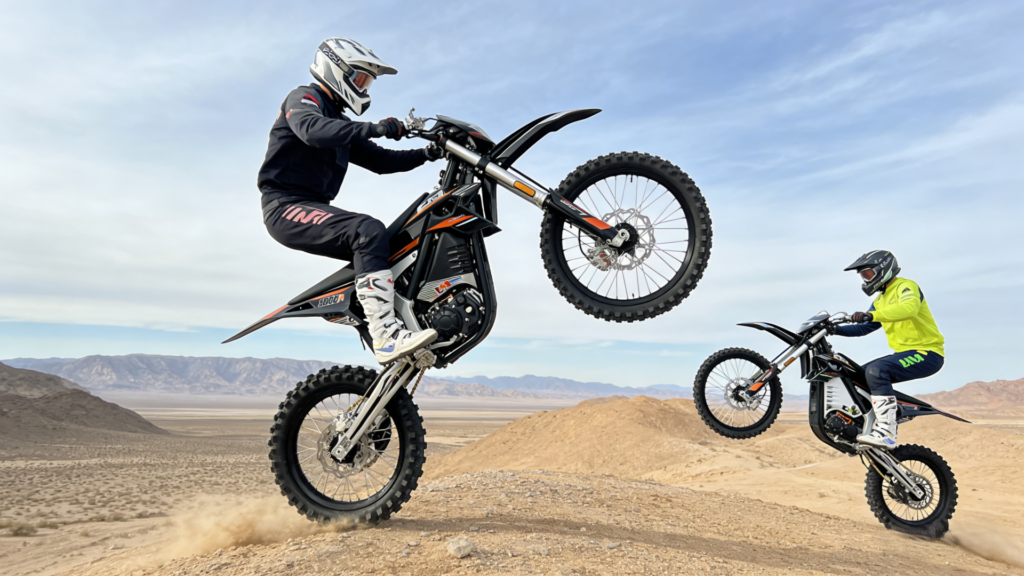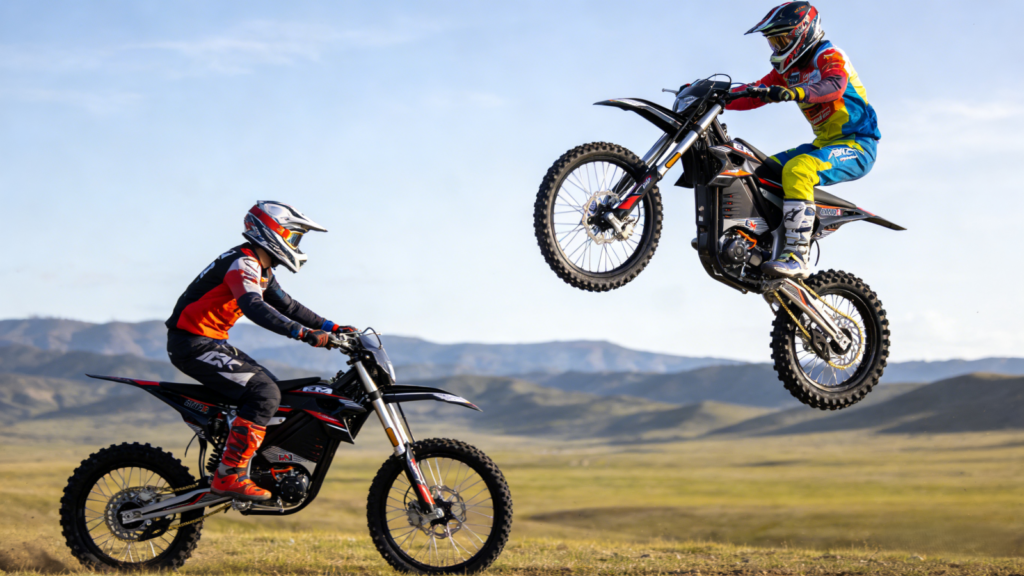

The world of off-road motorcycling is undergoing a silent revolution. The smell of two-stroke smoke and the thunderous roar of a pipe are being joined by a new sensation: the instant, seamless surge of an Electric Off Road Motorbike. For beginners, this shift is more than just a trend; it’s an opportunity to enter the sport with machines that are often simpler, less intimidating, and easier to master than their gas-guzzling counterparts.
However, choosing your first electric dirt bike can be daunting. With a flurry of specs like voltage, amp-hours, and kilowatts, it’s easy to get lost. This guide is designed to walk you through everything you need to know, from understanding the technology to selecting the perfect model for your riding style and budget.
Why Go Electric? The Beginner’s Advantage
Before diving into the “how,” it’s important to understand the “why.” Electric dirt bikes offer a unique set of benefits that make them particularly appealing for those new to off-roading.
1. Instant Torque and Controllable Power
Unlike a gas engine, which needs to be revved to reach its peak power, an electric motor delivers 100% of its torque instantly from 0 RPM . This means explosive acceleration when you want it, but more importantly, it means precise, tractor-like control when navigating tricky obstacles or steep hills. You don’t need to “fan” a clutch to find the power band; you simply twist the throttle .
2. Simplicity: No Clutch, No Gears
This is a game-changer for beginners. Without a clutch lever or gear shifter to think about, you can focus 100% of your attention on the trail, your body position, and braking . This simplicity dramatically lowers the learning curve, allowing new riders to build confidence faster .
3. Whisper-Quiet Operation
The near-silent operation of an e-dirt bike is more than just a novelty. It means you can ride in areas where noise would normally be a concern—your own backyard, private property, or noise-sensitive public trails—without disturbing neighbors or wildlife . It also makes you a better trail steward, helping to keep riding areas open for everyone.
4. Minimal Maintenance
Say goodbye to oil changes, air filter cleaning, spark plug replacements, and carburetor tuning. Maintenance on an electric bike shifts to the simple stuff: checking and lubricating the chain, monitoring brake pads, and keeping tires properly inflated . This means more time riding and less time (and money) wrenching.
Decoding the Specs: What to Look For
When you start shopping, you’ll be bombarded with technical terms. Here’s how to cut through the jargon and focus on what matters.
1. Motor Power (kW vs. HP)
Motor output is typically measured in kilowatts (kW) or horsepower (hp). For a quick comparison, 1 kW is roughly equal to 1.34 hp. Here’s a general guide to what the numbers mean for a beginner:
- 3-8 kW (4-11 hp): Perfect for younger riders, teens, or smaller adults. These bikes are great for learning the basics on flat terrain and easy trails .
- 8-15 kW (11-20 hp): The sweet spot for most adult beginners. This class offers enough power for real trail riding, climbing hills, and having fun without being terrifyingly fast . Models like the Sur-Ron Light Bee X and Talaria Sting R fit here.
- 20+ kW (27+ hp): This is high-performance territory, competing with 250cc+ gas bikes. While tempting, this is often too much bike for a true beginner and can hinder learning .
2. Battery Capacity: Think “Fuel Tank” Size
Battery capacity is measured in kilowatt-hours (kWh). This is the total amount of energy the bike holds. A higher kWh rating generally means a longer range, just like a bigger gas tank.
A more common spec you’ll see is Voltage (V) and Amp-hours (Ah). To find the total energy in kWh, use this formula: (Volts x Amp-hours) / 1000 = kWh.
- Example: A 48V battery with 20Ah has a capacity of (48 * 20) / 1000 = 0.96 kWh .
For a beginner, a bike with a 2-4 kWh battery is typical for an afternoon of moderate trail riding.
3. Voltage: The System’s “Pressure”
Voltage (V) is like the water pressure in a hose. A higher voltage system (like 72V or 96V) can deliver power more efficiently and support higher peak outputs .
- 48V systems are common for entry-level and lightweight trail bikes, offering a great balance of performance, cost, and simplicity .
- 60V-96V systems are found on more powerful, performance-oriented machines .
4. Real-World Range: Manage Your Expectations
Manufacturer range claims are often optimistic. They are usually measured in ideal conditions (light rider, flat terrain, low speed). In the real world, range is affected by three main factors:
- Terrain: Hilly, technical trails will drain the battery much faster than a flat fire road .
- Riding Style: Aggressive acceleration and high speeds consume significantly more power.
- Rider Weight: Heavier riders will get less range.
When evaluating a bike, ask for real-world estimates from owners or dealers based on how you intend to ride. A good rule of thumb is to expect 50-70% of the advertised “maximum” range in typical trail conditions.
Matching the Bike to Your Ride
Not all electric dirt bikes are created equal. They are designed for different purposes, and choosing one that fits your intended use is crucial.
Trail Riding / Enduro
This is the most common use for beginners. You want a bike with tractable power, good suspension travel (around 200-250mm), and a comfortable, upright riding position. These bikes are built for exploring woods, climbing hills, and navigating singletrack.
- Top Picks: Sur-Ron Light Bee X, Talaria Sting R MX4, Zero XE .
Motocross / Track
These are high-performance machines built for jumps, high speeds, and aggressive riding on closed courses. They have stiff, long-travel suspension (300mm+) and explosive power. These are not recommended for beginners due to their intense nature .
- Top Picks: Stark VARG, KTM Freeride E-XC (though versatile, it leans toward performance) .
Youth / Entry-Level
These bikes are smaller, lighter, and have speed limiters and adjustable power delivery to help young riders learn safely. Parental controls via apps are becoming common .
- Top Picks: Razor MX650, Kuberg Start, Oset bikes .
Your Beginner’s Buying Checklist
Before you hand over your cash, use this checklist to ensure you’re making a smart investment.
1. Set a Realistic Budget
Your budget isn’t just for the bike. You must factor in the cost of high-quality safety gear.
- Entry-Level Adult Bikes: $3,000 – $5,000
- Mid-Performance Trail Bikes: $5,000 – $8,000 (This is the sweet spot for most beginners) .
- High-Performance Bikes: $10,000+ .
- Essential Gear (Helmet, goggles, gloves, boots, knee/elbow pads): $500 – $1,000+.
2. Prioritize Adjustability
Look for a bike with multiple ride modes. A “Rain” or “Eco” mode limits power and throttle response, which is invaluable for building confidence. As you progress, you can switch to “Sport” or “Trail” modes for more performance . This allows the bike to grow with you.
3. Find a Reputable Dealer
Buying from an authorized dealer is crucial, especially for your first bike. They provide:
- Expert Setup: Ensuring the bike is properly assembled and tuned.
- Warranty Support: Authorized dealers can process warranty claims, especially for the expensive battery.
- Parts & Service: They will stock genuine parts and have trained technicians who understand the specific electric systems .
Call potential dealers and ask questions like, “Do you have a technician trained on electric powertrains?” and “What does the battery warranty cover?” A good dealer will be happy to answer .
4. Don’t Forget the Pre-Ride Checklist
Once you have your bike, develop a safety routine:
- Check the Battery: Ensure it’s charged for your planned ride.
- Tires: Check pressure and look for damage.
- Brakes: Test front and rear brake lever feel and stopping power.
- Bolts: Give the bike a quick once-over to ensure handlebar clamps, axles, and other critical bolts are tight.
- Gear Up: Never ride without your full set of protective gear .
Conclusion: The Future is Quiet, and It’s Calling You
Choosing your first Electric Off Road Motorbike is an exciting step into a new world of adventure. By focusing on manageable power, understanding the key specs, and finding a supportive dealer, you can set yourself up for years of thrilling, low-stress riding.
The electric revolution isn’t just about cutting-edge technology; it’s about accessibility. It’s about more people being able to experience the joy of the trail without the steep learning curve of a clutch and the constant hum of an engine. So, do your research, find a bike that fits, and get ready to explore the quiet side of off-roading. The trail is waiting.
if you liked the article, please follow us:
Related searches for electric dirt bike