
Introduction
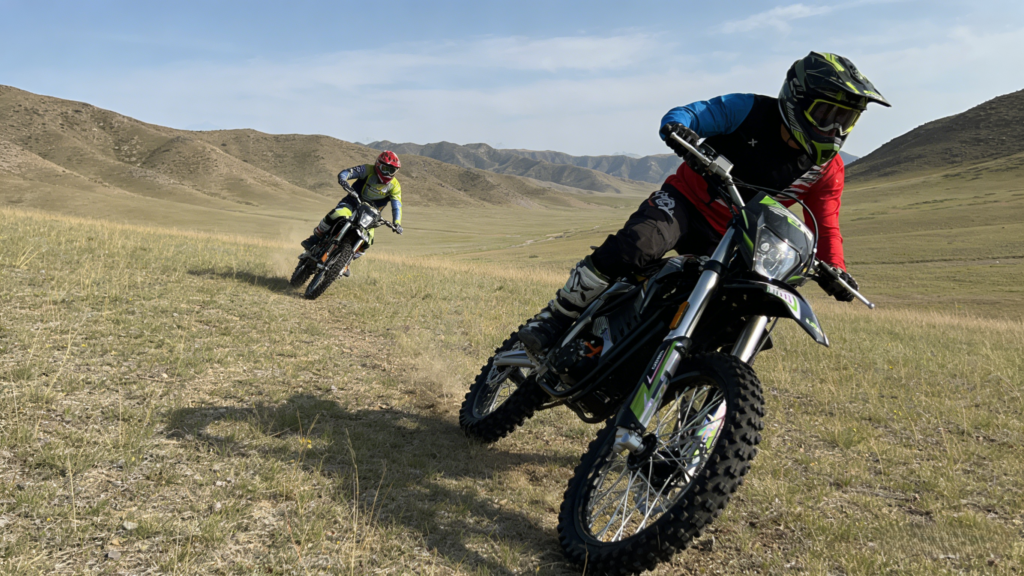
The TYE off-road electric motorcycle series represents the cutting edge of electric dirt bike technology, combining CATL lithium battery systems with powerful mid-drive motors delivering up to 20kW of peak power . These high-performance machines, including popular models like the TYE3000 and TYE5000, require specialized storage protocols to maintain their advanced components—particularly the 72V lithium battery packs, sophisticated battery management systems (BMS), and precision-engineered aluminum alloy frames .
Unlike conventional gasoline-powered dirt bikes, electric motorcycles present unique storage challenges. The lithium-ion battery chemistry, high-voltage electrical systems, and sensitive electronic controllers demand specific environmental conditions and maintenance procedures. Whether you’re storing your TYE motorcycle for the winter off-season, an extended racing break, or simply between weekend trail rides, understanding these specific requirements is crucial for preserving performance, ensuring safety, and maximizing the lifespan of your investment.
This comprehensive guide explores the detailed storage requirements for TYE off-road electric motorcycles, covering battery management, environmental controls, physical protection, and periodic maintenance protocols.
Understanding TYE Motorcycle Architecture and Storage Implications
High-Voltage Battery Systems
TYE motorcycles utilize CATL lithium battery packs ranging from 50Ah to 73Ah capacities, operating at 72V with peak output currents reaching 300A . These battery packs represent the most critical—and expensive—component requiring protection during storage. The advanced BMS integrated into TYE batteries monitors cell balancing, temperature, and state of charge through Bluetooth connectivity, but the physical storage environment significantly impacts battery chemistry stability .
The lithium iron phosphate (LiFePO4) or lithium nickel manganese cobalt oxide (NMC) cells used in these packs exhibit specific degradation patterns when exposed to improper storage conditions. High temperatures accelerate electrolyte decomposition and electrode degradation, while extreme cold can cause lithium plating and permanent capacity loss. The removable battery pack design featured in TYE models provides flexibility for indoor storage, but also introduces handling considerations .
Precision Engineering and Material Sensitivity
TYE motorcycles feature 6061 forged aluminum alloy frames combined with Q345B metal components, creating a lightweight yet robust chassis weighing approximately 118kg (260 lbs) . While aluminum resists corrosion better than steel, the mixed-material construction requires protection from moisture to prevent galvanic corrosion at component interfaces. The adjustable MNT brand suspension systems, hydraulic disc brakes with copper-based pads, and 520 drive chains all require specific environmental conditions to prevent degradation during storage .
The sophisticated sine wave controllers and LCD display systems contain sensitive electronics vulnerable to humidity and temperature fluctuations. Unlike mechanical systems that might tolerate minor environmental variations, these electronic components can suffer immediate performance degradation or latent damage from condensation and thermal cycling.
Environmental Requirements for TYE Motorcycle Storage
Temperature Control Parameters
The optimal storage temperature range for TYE electric motorcycles spans 15°C to 25°C (59°F to 77°F), with an absolute maximum of 30°C (86°F) and minimum of -13°F (-25°C) to prevent battery degradation and safety risks . This narrow window reflects the sensitive nature of lithium battery chemistry and electronic component tolerances.
High Temperature Risks:
When storage temperatures exceed 30°C, several degradation mechanisms accelerate within the CATL battery packs. The electrolyte begins decomposing, producing gases that can cause battery swelling—a phenomenon particularly dangerous given the sealed battery enclosures. Internal resistance increases permanently, reducing the maximum power output from the rated 12-20kW and diminishing the 150km range capability . Thermal runaway risks, while mitigated by the BMS, increase significantly when batteries are stored at elevated temperatures for extended periods.
Low Temperature Considerations:
While TYE motorcycles can operate in cold conditions, storage below freezing requires specific protocols. Lithium plating on the anode occurs when batteries are stored at low states of charge in cold environments, causing permanent capacity loss and potential short-circuit risks. The LCD display and controller systems may suffer from condensation when moved between cold storage and warm environments without proper acclimatization procedures.
Humidity Management
Relative humidity (RH) control proves critical for TYE motorcycle storage, with the ideal range between 40% and 60% RH . This specification protects both the battery pack and the extensive aluminum/steel hybrid chassis from corrosion while preventing the brittleness issues associated with extremely dry conditions.
High Humidity Dangers:
When relative humidity exceeds 70%, moisture infiltration risks increase substantially. The battery management system PCBs, while conformally coated, remain vulnerable to condensation at metal-to-plastic interfaces. Humidity above 70% accelerates electrolyte breakdown through reactions with lithium salts, potentially producing hydrofluoric acid that corrodes electrodes and separators . The 520 drive chain, despite being sealed, can develop surface rust that compromises smooth operation, while hydraulic brake lines may absorb moisture, reducing braking performance.
Low Humidity Concerns:
While less immediately dangerous, humidity below 30% can cause certain plastic components and rubber seals to become brittle. The battery pack’s outer casing, typically constructed of ABS or similar polymers, may develop micro-cracks in extremely dry conditions, compromising the IP rating and allowing future moisture ingress.
Practical Humidity Control:
For home storage, dehumidifiers or desiccant systems should maintain the 40-60% RH range. In professional or commercial storage environments, dry cabinets with precise humidity control provide optimal protection. These systems automatically regulate internal conditions, preventing the daily humidity fluctuations common in residential garages .
Battery-Specific Storage Protocols
State of Charge (SOC) Management
The most critical factor in TYE battery storage is maintaining the correct state of charge. Manufacturer guidelines and industry best practices recommend storing lithium batteries at 30% to 70% SOC, with the optimal target being approximately 50% charge .
Why Full Charge is Dangerous:
Storing batteries at 100% SOC increases mechanical stress on the electrode materials. The high voltage state accelerates electrolyte oxidation at the cathode and promotes lithium deposition at the anode. Over extended storage periods (3+ months), fully charged batteries can develop increased internal resistance and permanent capacity fade, reducing the standard 150km range .
Why Deep Discharge is Worse:
Allowing the battery to drop below 20% SOC during storage triggers different degradation mechanisms. The copper current collectors can dissolve into the electrolyte at low potentials, later redepositing as metallic copper dendrites that create internal short circuits. The BMS should prevent over-discharge during normal operation, but parasitic drains from the Bluetooth module and monitoring electronics can gradually deplete the battery during long-term storage.
Monitoring Protocols:
For storage exceeding 30 days, check the battery SOC weekly using the TYE smartphone app or LCD display. If the charge drops below 30%, recharge to 50% using the standard 3-4 hour charging cycle . Never leave the charger connected continuously during storage, as this maintains the battery at high voltage states and can mask gradual self-discharge issues.
Physical Battery Storage Options
TYE motorcycles feature removable battery packs, offering two storage approaches:
Integrated Storage:
When storing the complete motorcycle, ensure the battery compartment is clean and dry. The removable battery design allows for ventilation, but the compartment should be inspected for mud, water, or debris that could trap moisture. Apply dielectric grease to the battery contacts before long-term storage to prevent corrosion.
Separate Battery Storage:
For extended storage (winter season), removing the 72V battery pack and storing it indoors provides optimal protection. Store the battery on a non-conductive surface away from metal objects. Maintain the same temperature and humidity parameters as the motorcycle itself. The 50-60Ah battery packs weigh approximately 15-20kg, requiring careful handling to prevent case damage .
Never store batteries directly on concrete floors, as temperature differentials can cause condensation. Use wooden pallets or shelves to ensure air circulation around the battery pack.
Mechanical Component Protection
Suspension and Chassis Care
The MNT brand adjustable suspension systems on TYE motorcycles require specific preparation before storage. Clean the fork tubes and rear shock shaft thoroughly to remove dirt and mud that could scratch the chrome plating during compression cycles. Apply suspension-specific protectant spray to the fork stanchions to prevent seal drying and corrosion .
The 6061 aluminum frame, while corrosion-resistant, benefits from a protective coating of bike-specific wax or polish. Pay particular attention to areas where the aluminum frame connects with steel components (Q345B metal reinforcements), as these interfaces are susceptible to galvanic corrosion if moisture is present .
Drive Train and Brake Systems
The 520 drive chain requires thorough cleaning and lubrication before storage. Remove all dirt and sand particles that could act as grinding paste during initial startup. Apply a high-quality chain lubricant, rotating the rear wheel to ensure complete coverage. For storage exceeding three months, consider placing cardboard or a chain guard between the chain and rear tire to prevent oil staining .
Hydraulic disc brakes with copper-based pads should be inspected for pad thickness—replace pads showing less than 1.5mm of material to prevent spring corrosion. Check brake fluid levels and condition; cloudy or dark fluid indicates moisture absorption requiring system flushing. Store the motorcycle with brake levers secured to prevent pressure buildup in the lines, but avoid engaging the parking brake mechanism for extended periods.
Tire Preservation
TYE motorcycles feature off-road specific tires (80/100-21 front, 110/90-18 rear) constructed for aggressive terrain . These tires require inflation to the manufacturer’s recommended PSI before storage to prevent flat spots. For storage exceeding two months, elevate the motorcycle on a center stand or paddock stand to remove weight from the tires entirely.
If stands are unavailable, rotate the tires monthly by rolling the motorcycle slightly forward or backward. Store away from direct sunlight and ozone sources (electric motors, furnaces) that can degrade the rubber compounds. Inspect tires for existing damage—deep cuts or exposed carcass cords indicate replacement needs before the next riding season .
Electrical System Protection
Controller and Wiring
The smart sine wave controller, rated for 300A peak output, contains sophisticated MOSFET arrays and capacitors sensitive to temperature and humidity . Ensure the controller housing is intact and all sealing gaskets are in good condition. The controller’s location—typically mounted to the frame near the motor—provides some protection, but verify that drain holes are clear to prevent water accumulation.
Inspect all wiring harnesses for chafing or exposed conductors that could corrode. Apply dielectric grease to all accessible connectors, particularly those exposed during off-road riding (handlebar controls, display connections). The LCD display should be protected from direct sunlight during storage to prevent screen degradation—cover the display or store the motorcycle with the handlebars turned to shade the screen.
Charging Infrastructure
Store the TYE charger in a dry location at moderate temperatures. The charger represents a significant investment and contains capacitors that degrade in high heat or humidity. Coil the charging cable loosely to prevent internal conductor damage; never wrap it tightly around the charger body.
For motorcycles with Bluetooth connectivity, the BMS maintains a low-power state to enable app communication. This parasitic drain, while minimal (typically <50mA), requires monitoring during long-term storage. If storing for more than six months, consider disabling Bluetooth connectivity through the app to reduce drain, or maintain more frequent SOC checks.
Cleaning and Preparation Protocols
Pre-Storage Cleaning
Thorough cleaning before storage prevents corrosion and component degradation. Unlike gasoline motorcycles, TYE electric bikes can be washed with standard pressure washers (avoiding direct high-pressure spray on electrical connectors), but require specific drying procedures .
Cleaning Sequence:
- Allow the motorcycle to cool completely if recently ridden
- Remove the battery pack and store separately if performing deep cleaning
- Rinse from bottom to top to prevent dirt from flowing onto clean surfaces
- Use motorcycle-specific cleaners on the aluminum frame and plastic components
- Clean the chain with degreaser and brush, then dry completely
- Pay special attention to brake rotors—remove all cleaning residue to prevent contamination
- Dry thoroughly using compressed air or microfiber towels, focusing on electrical connectors and the battery compartment
Corrosion Prevention
After cleaning and drying, apply protective treatments:
- Frame and aluminum components: Bike-specific wax or ACF-50 corrosion inhibitor
- Metal fasteners: Light coating of waterproof grease
- Electrical connectors: Dielectric grease on all accessible pins
- Chain: Heavy-duty chain lube or wax-based lubricant for storage periods
- Brake rotors: Light oil coating (removed before next use) or specialized rotor protectant
Plug the exhaust outlet and air intakes with breathable material to prevent pest intrusion while allowing moisture escape. Cover the motorcycle with a breathable canvas or specialized motorcycle cover—never use plastic tarps that trap moisture and promote condensation .
Long-Term Storage Procedures (3+ Months)
Extended Storage Checklist
For winter storage or extended off-season periods:
Month 1:
- Perform complete cleaning and protection protocol
- Charge battery to 50% SOC
- Inflate tires to maximum recommended pressure or place on stands
- Apply all corrosion preventatives
- Install breathable cover
Monthly Maintenance:
- Check battery SOC and recharge to 50% if below 30%
- Inspect for pest intrusion or moisture accumulation
- Rotate tires if not on stands
- Verify cover integrity and ventilation
Pre-Return to Service (2 weeks before riding):
- Inspect all components for corrosion or damage
- Check tire pressure and condition
- Verify brake function and fluid condition
- Charge battery to 100% and test all electrical systems
- Remove protective coatings from brake rotors
- Test ride in safe area to verify all systems
Storage Location Selection
Ideal storage locations for TYE motorcycles include:
- Climate-controlled garages: Maintaining 15-25°C with humidity control
- Basements: If humidity is controlled and ventilation is adequate
- Professional storage facilities: Offering climate control and security
Avoid storing in:
- Unheated sheds: Subject to temperature extremes and humidity fluctuations
- Outdoor covers: Even “all-weather” covers cannot prevent temperature cycling
- Areas with chemical exposure: Fertilizers, pool chemicals, or solvents cause corrosion
- Direct sunlight locations: UV degradation of plastics and battery heating
Safety Considerations and Emergency Preparedness
Fire Safety
While TYE batteries incorporate advanced BMS protection and CATL cells are known for stability, lithium battery fires require specific extinguishing agents. Store the motorcycle away from living spaces if possible, and ensure the storage area has:
- Working smoke detectors
- ABC dry chemical or CO2 fire extinguisher (never use water on lithium fires)
- Clear escape routes
- No flammable materials stored nearby
Security Measures
High-value electric motorcycles require security during storage:
- Use disc locks on front and rear rotors
- Install ground anchors if storing in garage
- Consider GPS tracking devices for high-theft areas
- Maintain insurance coverage during storage periods
Conclusion
Proper storage of TYE off-road electric motorcycles requires understanding the unique needs of high-voltage electric powertrains combined with traditional motorcycle preservation techniques. The 72V CATL battery systems demand precise SOC management (30-70%), temperature control (15-25°C), and humidity regulation (40-60% RH) to maintain the impressive 150km range and 12-20kW performance capabilities .
By following these specific requirements—maintaining optimal battery charge states, controlling environmental conditions, protecting the aluminum alloy chassis and precision suspension components, and implementing regular inspection protocols—owners can ensure their TYE motorcycles remain in peak condition during storage periods. The investment in proper storage infrastructure and procedures pays dividends in extended battery lifespan, consistent performance, and reduced maintenance costs when the riding season returns.
As electric motorcycle technology continues evolving, these storage protocols represent best practices for preserving sophisticated lithium-powered machines. Whether storing a TYE3000 for the winter or maintaining a TYE5000 between racing events, attention to these specific requirements ensures your electric dirt bike delivers the thrilling, zero-emission performance it was engineered to provide for years to come.
if you liked the article, please follow us:
Related searches for electric dirt bike


