
The Silent Revolution: How Geopolitical Turmoil and Electric Power Are Reshaping the UK’s Dirt Bike Market
The British countryside, with its network of green lanes and ancient byways, has long echoed with the distinctive buzz of off-road motorcycles. For decades, the two-stroke and four-stroke petrol engine has been the undisputed king of the dirt. However, a silent revolution is underway. The convergence of two powerful forces—a geopolitical crisis in the Middle East that has sent petrol prices soaring, and rapid technological advancements in battery and motor technology—is fundamentally reshaping the UK’s dirt bike market. At the heart of this transformation is the electric dirt bike, a machine that promises not only a quieter, cleaner ride but also a more sustainable and economically resilient form of off-road recreation.
The Geopolitical Spark: How Middle East Turmoil Changed the Economics of Dirt
To understand the sudden acceleration of interest in electric dirt bikes in the UK, one must first look to the geopolitical upheaval in the Middle East. Starting in late February 2026, a direct military conflict between Israel and the US on one side and Iran on the other sent shockwaves through global energy markets. The immediate and most devastating impact was the disruption of shipping through the Strait of Hormuz, a narrow but critical chokepoint through which about 20% of the world’s oil passes.
The figures tell a stark story. The International Energy Agency estimated that approximately 20 million barrels of oil per day were affected by the drop in shipping, with production cut by at least 10 million barrels in the Gulf countries—a staggering 10% of global output. The result was an immediate and dramatic price spike. Brent crude oil surged from around $70 a barrel before the conflict to temporary peaks of over $100. By March 2026, UK petrol prices had increased by 14 pence a litre, while diesel prices rose by 29 pence a litre. This wasn’t just a temporary blip; the crisis created a new, higher baseline for fuel costs that is unlikely to disappear quickly. The Bank of England raised its inflation forecasts, and previously anticipated interest rate cuts were abandoned as the economic fallout rippled through the UK economy.
The impact on the average British motorcyclist was immediate. For those who use their dirt bikes for weekend trail riding or competitive motocross, the cost of filling up the tank became a significant and painful part of the hobby. This has led to a fundamental shift in the economic calculus of off-road motorcycling. When petrol is cheap, the higher upfront cost of an electric bike can be a hard sell. But when fuel prices are consistently high and expected to remain so, the dramatically lower running costs of an electric motor become a powerful incentive. Charging an electric dirt bike costs a fraction of what it costs to fill a petrol tank, making it an increasingly attractive proposition for the cost-conscious rider. In response, the UK government extended the temporary 5p per litre cut in fuel duty, acknowledging the “pressures being faced by drivers and other fuel users”. Yet even this political intervention could not fully insulate consumers from the global market’s volatility.
The UK Electric Motorcycle Market: A Snapshot of Growth
Despite these economic headwinds, or perhaps partly because of them, the UK electric motorcycle market is experiencing a period of robust growth. The market was valued at an estimated USD 1.7 Billion in 2025 and is projected to reach a staggering USD 7.3 Billion by 2034, representing a compound annual growth rate (CAGR) of 17.21%. This growth is driven by several interconnected factors.
First, there is a rising and sustained demand for sustainable transportation. As environmental concerns move from the periphery to the mainstream, more riders are seeking eco-friendly alternatives to traditional petrol-powered bikes. This is backed by strong government incentives. In February 2025, the UK government announced a £120 million investment to accelerate the transition to electric vehicles (EVs), including grants of £500 for electric bikes. The government’s commitment to banning the sale of new petrol and diesel vehicles by 2030 provides a favorable regulatory environment for electric motorcycles.
Second, the charging infrastructure is expanding rapidly. The UK’s charging network grew by 38% in 2024, adding 20,000 new public charging points to bring the total to over 73,000. Ultra-rapid chargers saw the biggest growth at 83%, addressing one of the key barriers to EV adoption—range anxiety. The government’s goal of having 300,000 charging points by 2030, with an average of 1,650 installations per day planned for 2024, signals a strong commitment to building the necessary infrastructure.
Third, technological advancements are transforming perceptions of electric motorcycles. Modern machines now offer longer ranges, often exceeding 100 miles on a single charge. Innovations in battery technology, faster charging times, and lighter materials are making them more appealing. Smart features including app connectivity, GPS navigation, and regenerative braking systems are attracting a younger, tech-oriented demographic. As the market report notes, “the growing popularity of high-performance electric models, such as those from Zero Motorcycles and Energica, is also challenging the perception that electric bikes lack power or excitement”.
The Electric Dirt Bike Advantage: Why the Switch Makes Sense
For off-road enthusiasts, the advantages of electric dirt bikes extend beyond just lower running costs. These machines offer a fundamentally different and in many ways superior riding experience.
Instant Torque and Responsive Power
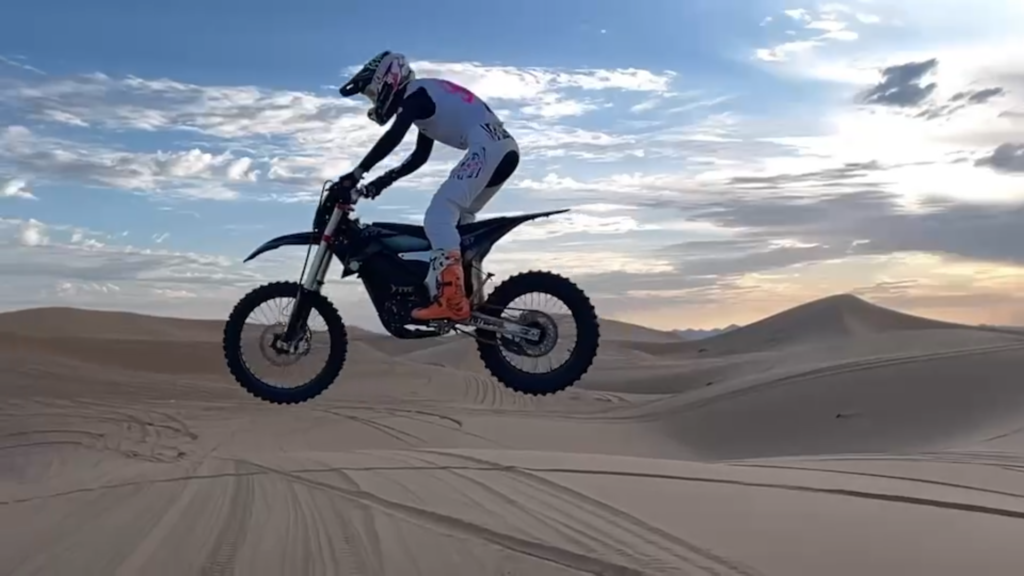
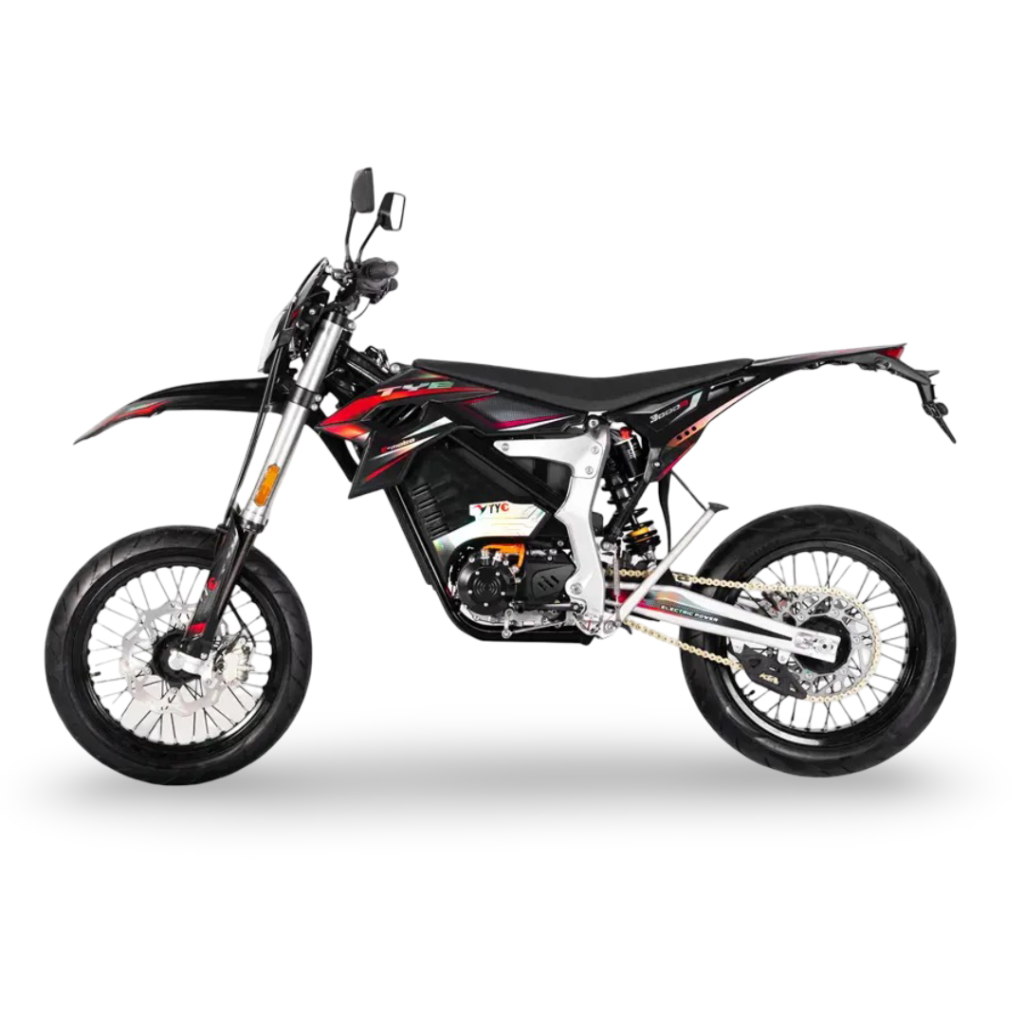
Electric motors deliver their maximum torque instantly, providing explosive acceleration that even the most powerful petrol engines struggle to match. The Zero XB, for example, produces 42Nm of torque at the motor, “dwarfing that of 50cc or 125cc equivalents,” with no delay in response. The Tyemoto TYE-3000, a 12kW model, can reach speeds of 120km/h, demonstrating the performance potential of even mid-range electric dirt bikes. This instant power delivery makes electric bikes incredibly fun and responsive, especially on technical off-road terrain where precise throttle control is essential.
Low Maintenance and Running Costs
The simplicity of an electric motor means there are fewer moving parts to maintain. No oil changes, no air filters, no spark plugs, and no carburetor cleaning to worry about. As a review of the Zero XB points out, “fuel is only going to cost you pennies in charging”. While the initial purchase price can be higher, the cost of ownership over time is significantly lower. However, it’s worth noting that “the chain, brakes, tyres and suchlike will require the same level of attention as they would on any motorcycle”.
Quieter, Cleaner Off-Road Riding
One of the most significant advantages, particularly in the UK’s densely populated countryside, is the reduced noise footprint. Electric dirt bikes are significantly quieter than their petrol counterparts. This is not just an environmental benefit; it’s a practical one. Less noise means less disturbance to wildlife and local communities, which can help maintain access to green lanes and trail networks that are increasingly under pressure from noise complaints. The reduction in noise pollution also makes them “ideal for use in natural settings, allowing riders to enjoy the sounds of nature”.
Youth Appeal and Accessibility
The lightweight, user-friendly nature of many electric dirt bikes is attracting a younger demographic that the traditional motorcycle industry has struggled to reach. Brands like Sur-Ron and Talaria are achieving something the wider motorcycle industry has struggled with for years: getting young people interested in two wheels. As one commentator put it, “a Sur-Ron Light Bee costs a fraction of what many new motorcycles do, and with no gears to master and no clutch to worry about, there is no intimidating learning curve. Twist the throttle and go. For teenagers raised on smartphones, e-bikes and instant gratification, they’re about as accessible as powered two-wheel transport gets”. This accessibility is creating a new generation of riders who might never have considered a conventional motorcycle.
Product Characteristics and Future Trends
The electric dirt bike market is evolving rapidly, with products becoming more diverse and sophisticated.
Current Product Landscape
The market currently features a wide range of machines, from youth-oriented lightweight bikes to high-performance adult models. Key characteristics include:
- Battery Technology: Lithium-ion batteries are the standard, offering high energy density and longer life. Removable battery packs, as featured on the Maeving range and Zero XB, are a significant convenience, allowing riders to charge the battery from a standard three-pin socket anywhere.
- Motor Types: Brushless DC motors are becoming the norm due to their efficiency and low maintenance requirements. Performance varies significantly between models, from entry-level 10hp machines to 25kW high-performance bikes.
- Control Systems: Advanced electronics are increasingly common. Features like adjustable regenerative braking, switchable traction control, multiple rider modes (often with adjustable power settings), and even cruise control and reverse gear are found on models like the Zero XB. This level of sophistication not only enhances safety and performance but also makes the bikes more accessible to riders of different skill levels.
Future Trends
Looking ahead, several key trends are likely to shape the UK electric dirt bike market:
- Increased Performance and Range: As battery technology improves, we can expect to see even longer ranges and higher top speeds. The range of “over 100 miles on a single charge” is already being achieved by some models, and this will only improve.
- Lower Costs: As manufacturing scales and battery prices fall, the upfront cost of electric dirt bikes is expected to decrease, narrowing the price gap with petrol bikes.
- Dedicated Off-Road Racing: The partnership between RFN and EXGB to introduce the Electric X Race events and the E1 class for low-cost machines highlights the growing interest in electric dirt bike racing. This provides a legitimate, structured avenue for competition and will help drive the sport’s growth. The expansion of the RFN range to include adult MX and enduro machines further underscores this trend.
- Regulatory Clarity: One of the biggest challenges facing the sector is its current “grey area” in legislation. Many lightweight electric dirt bikes are ridden illegally on public roads without registration, insurance, or appropriate safety gear, leading to police seizures and a negative public image. There is a growing call for clearer regulation that would legitimize these bikes, providing a safer, more controlled route into ownership for younger riders. As one analysis notes, “done properly, that could legitimise a safer, more controlled route into ownership for younger riders”.
Chinese Brands and the UK Market: TYEMOTO, 79ebike, and Sur Ron
Chinese brands are already playing a significant role in the UK’s electric dirt bike revolution, offering affordable, high-performance machines that are reshaping the market landscape.
Sur Ron: The Pioneer
Sur Ron is perhaps the most recognized Chinese brand in the UK. The Sur Ron Light Bee X is a lightweight, entry-level electric dirt bike with a top speed of 47 mph and a range of up to 60 miles on a single charge. Its success lies in its accessibility and affordability. However, this success has also brought controversy. Sur Ron bikes, along with those from Talaria, have become associated with anti-social behavior, with police seizing and crushing them due to illegal road use. Despite this, they have been instrumental in attracting a new, younger generation of riders to the sport. A review of the Sur Ron notes its “blend of heritage and innovation,” building “upon the legacy of a celebrated brand known for high-performance bikes”.
TYEMOTO: Value and Performance
TYEMOTO is emerging as a strong contender, offering a compelling blend of value and performance. The company positions itself as offering “exceptional value for money”. The TYE-3000 model, with a 12kW motor and a top speed of 120 km/h, is designed to appeal to both beginners and experienced riders. It features “adjustable power settings [that] allow riders to start at lower speeds and gradually increase as they gain confidence”. As a newer brand, it is actively building its reputation and offers a compelling alternative to more established players.
79ebike
While less prominent in the available search results, 79ebike represents the broader wave of Chinese manufacturers entering the market. These brands typically offer direct-to-consumer sales models, which bypass traditional dealerships and can significantly reduce costs. This model has been instrumental in getting these bikes into the hands of young riders.
Future Potential and Impact
The future potential of Chinese brands like TYEMOTO, 79ebike, and Sur Ron in the UK market is substantial for several reasons:
- Price Advantage: These brands offer a price point that is often significantly lower than established Western brands like Zero or Energica. This makes them an entry point for many new riders, especially younger ones who are price-sensitive.
- Performance Competitiveness: The performance of these bikes is no longer a weak point. With top speeds of 47-75 mph and ranges of up to 60-70 miles, they are legitimate off-road machines.
- Direct-to-Consumer Model: The online sales model that many of these brands use is disruptive but effective. It allows them to reach a broader audience and undercut traditional retail prices.
- Growing Brand Recognition: As these brands become more established and visible—both on the trails and at events like the EXGB Electric X Race—their brand recognition and trust will grow. The partnership between RFN (a brand with Chinese roots) and EXGB is a clear sign of this mainstreaming trend.
Conclusion: A Silent Revolution Accelerating
The convergence of the Middle East-driven oil crisis, UK government policy, and rapid technological advancement has created a perfect storm for the electric dirt bike market. The conflict has fundamentally altered the economic landscape, making the lower running costs of electric bikes a decisive factor for many riders. At the same time, the expansion of charging infrastructure and improvements in battery and motor technology have made electric dirt bikes a practical and exciting alternative to traditional petrol machines.
The electric dirt bike market is no longer a niche curiosity; it is a rapidly growing segment that is reshaping the UK’s off-road motorcycling scene. From the youth-focused grassroots racing promoted by RFN and EXGB to the high-performance models challenging perceptions on the trails, the silent revolution is well underway. Chinese brands like Sur Ron, TYEMOTO, and 79ebike are at the forefront of this revolution, offering affordable, accessible, and increasingly capable machines that are attracting a new generation of riders. While challenges remain, particularly around regulation and public perception, the future of the UK’s dirt bike market is electric. The petrol engine’s reign is far from over, but the quiet hum of the electric motor is increasingly the sound of the future.
if you liked the article, please follow us:
Related searches for electric dirt bike